I never thought a garden could teach me so much about myself. But here I am—stronger, braver, and more confident than ever, all thanks to the lessons it’s planted in my life.
Not too long ago, I was a timid, insecure woman who would back away at the first sign of resistance. But these days? Oh, no. Not anymore. This garden has transformed me. I’m sowing fierce—yes, that’s sow fierce, and the spelling is absolutely intentional.
Sure, I fail. Often. But every misstep pushes me closer to my goals. I’ve made it my mission to learn everything I can about becoming a successful gardener, a thriving farmer, and, above all, a better human being. And if there’s one thing that I have learned is that our best outcomes have come from the things we were most intentional about.
A couple of seasons ago, we planted a 50-foot row of Orient Express eggplants—a slender, gorgeous variety that thrives like crazy. The plants were prolific, but here’s the catch: our market wasn’t exactly clamoring for eggplants.
So what did we do? We shared them! Our amazing neighbor is an eggplant enthusiast, so we’d drop off bundles of them every chance we got. And when we did sell them, we priced them at $1 each—affordable, but not quite enough to match their incredible growth.
This experience taught us a lot about aligning our crops with what our market actually needs. And it’s a reminder that every season is an opportunity to learn, adjust, and grow—both literally and figuratively.


Even though eggplants were not flying off our market table I found it incredibly important to learn everything I could about them. This would then allow me to promote them a little more confidently! So here is a little about what I have learned so far about how great these vegetables truly are. This is also why I implemented them into my own diet. I even started to juice them with other fruits from my farm.
Nutritional Benefits
- Low in Calories and High in Fiber
- Eggplant is perfect for weight management, providing satiety with minimal calories.
- Its fiber content supports healthy digestion and helps regulate blood sugar.
- Rich in Antioxidants
- Contains nasunin, a powerful antioxidant found in the purple skin, which protects brain cells and reduces oxidative stress.
- Packed with other antioxidants like chlorogenic acid, which has anti-inflammatory and antimicrobial properties.
- Heart Health
- Helps reduce bad cholesterol (LDL) levels thanks to its fiber and antioxidants.
- Supports healthy blood pressure due to its potassium content, which balances sodium levels in the body.
- Blood Sugar Control
- Low in carbohydrates and high in fiber, eggplant slows the absorption of sugar, making it great for managing diabetes.
- Bone Health
- Contains small amounts of calcium, magnesium, and vitamin K, which support strong bones and reduce the risk of osteoporosis.
- Brain Health
- Nasunin not only protects brain cells but also supports better blood flow to the brain, enhancing cognitive function.
- Skin and Hair
- Rich in vitamins A, C, and E, eggplant promotes healthy skin and hair by fighting free radicals and supporting collagen production.
- Cancer Prevention Potential
- Chlorogenic acid may help combat cancer-causing free radicals and protect cells from mutations.
How to Incorporate Eggplant
- Grill or roast it for a smoky flavor.
- Add to stews, curries, or pasta dishes.
- Use as a healthy substitute in lasagna or for making eggplant parmesan.
- Blend into dips like baba ghanoush for a nutritious snack.
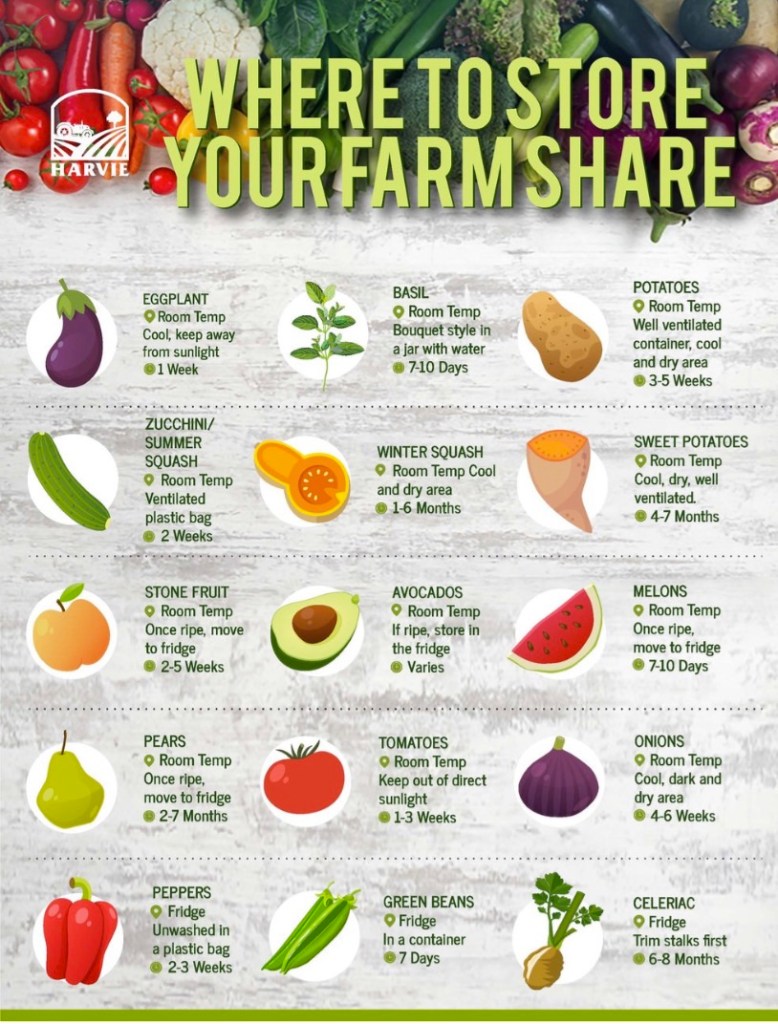
Selling eggplant has been a journey of trial and error, but one full of lessons! Like I had mentioned, a couple of seasons ago, we struggled to move a skinny variety called Orient Express. While the plants produced like champions, the demand just wasn’t there. So, we decided to switch gears and grow a more traditional variety the next season. And guess what? It was a game-changer!
We still didn’t sell out every week, but the improvement was undeniable. More eggplant left the farmstand and market tables, and less came back home. Progress is progress, right?
Last season, we upped the ante again, planting another 50-foot row of eggplant. We even experimented with a beautiful white variety in the greenhouse. Unfortunately, timing wasn’t on our side. By the time the plants started producing, the season was wrapping up. But all wasn’t lost—we freeze-dried the leftover eggplant to enjoy later, turning what could have been a total miss into an exciting win.
This experience taught us that gardening is all about adaptability. Each season, we try, we tweak, and we grow—literally and figuratively. Who knew eggplant could teach us so much about resilience and flexibility?
What’s your favorite lesson from the garden? Share it with us below—we love hearing your stories! 🌱🍆
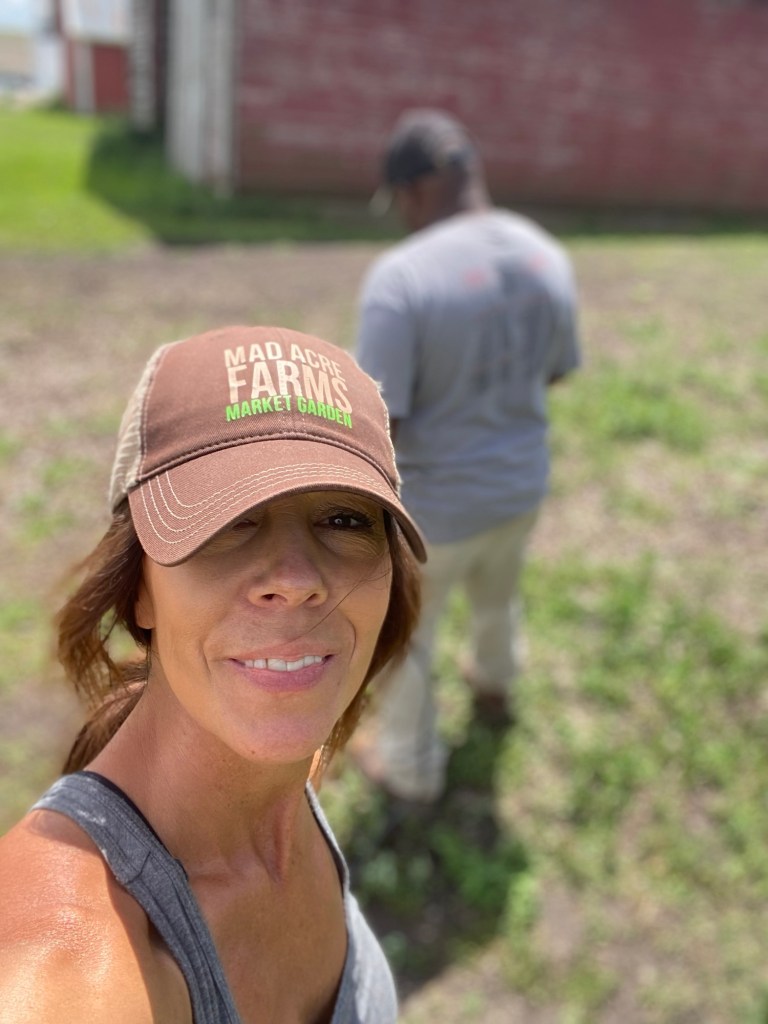
If you are thinking about growing eggplants here are a few ideas to help you with growing:
1. Choose the Right Variety
- Select varieties suited to your growing region.
- Popular options: Black Beauty, Fairy Tale (compact and great for containers), or Ping Tung Long (prolific and heat-tolerant).
2. Plant at the Right Time
- Warm Weather Lovers: Eggplants thrive in temperatures of 70–85°F during the day and no lower than 50°F at night.
- Start seeds indoors 8–10 weeks before your last frost date or purchase young transplants.
- Wait to plant outdoors until soil temperatures are at least 60°F.
3. Provide the Perfect Spot
- Full Sun: Eggplants need 6–8 hours of direct sunlight daily.
- Well-Draining Soil: Amend soil with compost or organic matter to improve drainage and fertility. Aim for a pH of 5.5–7.0.
4. Space and Support
- Spacing: Allow 18–24 inches between plants and 24–36 inches between rows.
- Staking: Provide stakes or cages to support the plants as they grow, preventing heavy fruits from bending or breaking stems.
5. Feed and Water Wisely
- Fertilizer: Use a balanced fertilizer (5-10-5) when planting, then switch to one higher in phosphorus and potassium once the plant sets fruit.
- Watering: Keep the soil consistently moist but not waterlogged. Deep watering 1–2 times per week is ideal.
- Mulch: Add a layer of mulch to retain soil moisture and suppress weeds.
6. Watch Out for Pests and Diseases
- Common Pests:
- Flea Beetles: Use row covers or neem oil to deter these tiny pests that chew holes in leaves.
- Aphids and Spider Mites: Spray with insecticidal soap or a strong jet of water.
- Diseases: Practice crop rotation and avoid overhead watering to reduce fungal issues like blight.
7. Harvest at the Right Time
- Pick when fruits are glossy, firm, and slightly smaller than full size (overripe eggplants become bitter).
- Use pruning shears or a sharp knife to cut the fruit, leaving a short stem attached.
8. Bonus Tips for High Yields
- Warm the Soil: Use black plastic mulch to raise soil temperatures early in the season.
- Pollination: Eggplants are self-pollinating, but gently shaking the flowers can improve fruit set.
- Companion Planting: Grow near marigolds or basil to deter pests and attract pollinators.
- Dill or Cilantro are another great option to help combat the potato beetle. Last season we had a bout of potato beetles causing some issues with our eggplants. Having a companion crop would have been helpful. This would have also been another option to use as an additional cash crop!
Here’s a piece of advice.. don’t over do it in the eggplant space just yet. If you don’t know your market I would lean on a smaller planting. I don’t necessarily think that eggplant will be your money maker but it does add color and variety to your table! It should also land on your customers dinner table weekly and it most likely would if they only knew the benefits of these vegetables.
Moral of the story: Take the time to truly learn about the dreams you’re chasing. Whatever it is you’re diving into, understanding the basics will save you so much time, energy, and frustration in the long run.
Trust me, I’ve been there—scrambling in the thick of the growing season, trying to figure out my next move when time was slipping through my fingers. It’s overwhelming, but it taught me something invaluable: Preparation isn’t just a step; it’s the foundation of success.
So, invest in yourself. Read, plan, ask questions, and set yourself up to thrive—not just survive. Because when the season comes, and everything starts to bloom, you’ll be ready to grow right alongside it. 🌱
Stay prepared, stay inspired. You’ve got this. ❤️✌🏼 – Jamie
 Moral Of The Story